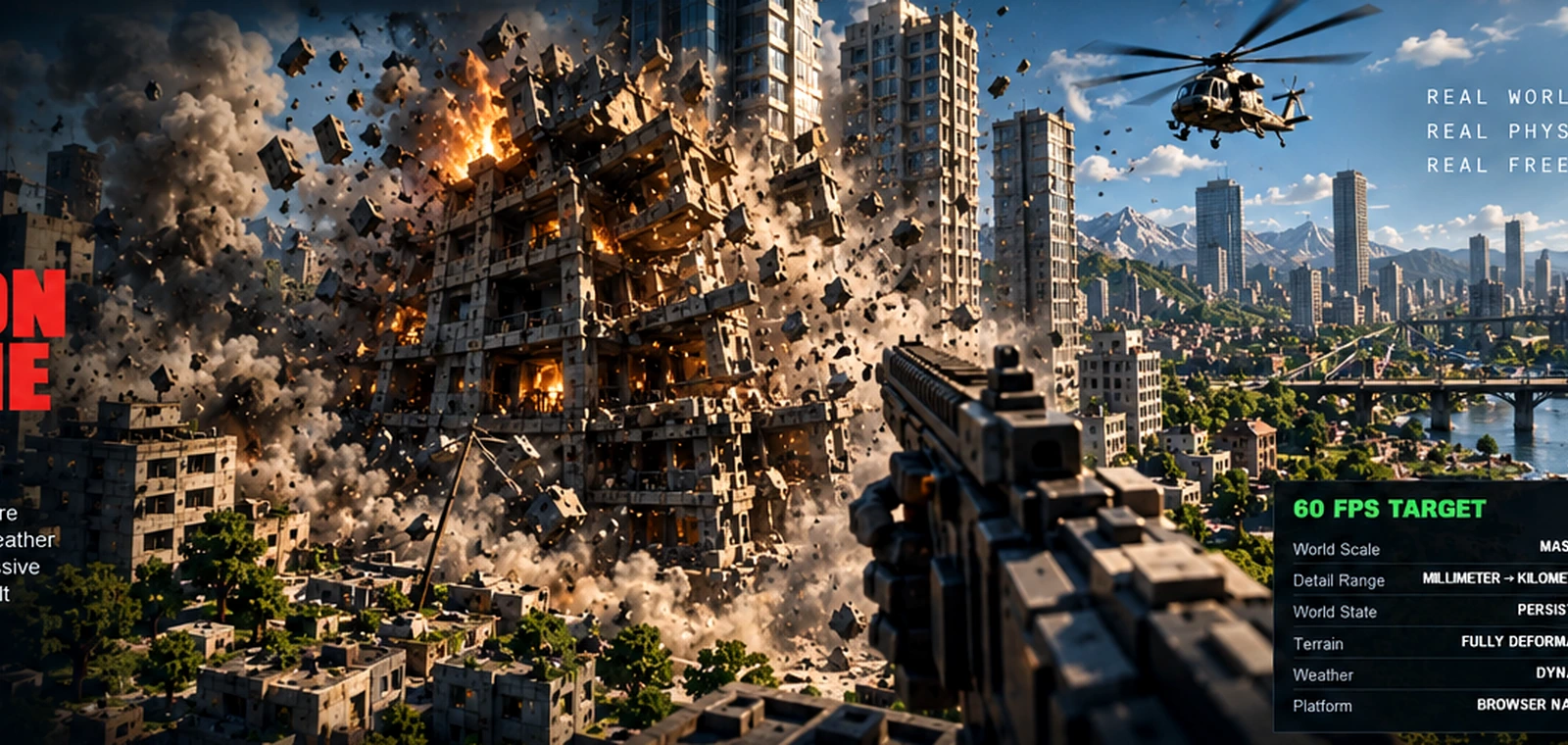
EVERYTHING CAN CHANGE
REAL PHYSICS.
REAL WORLDS.
DESTRUCTION
DOWN TO THE
CENTIMETER.
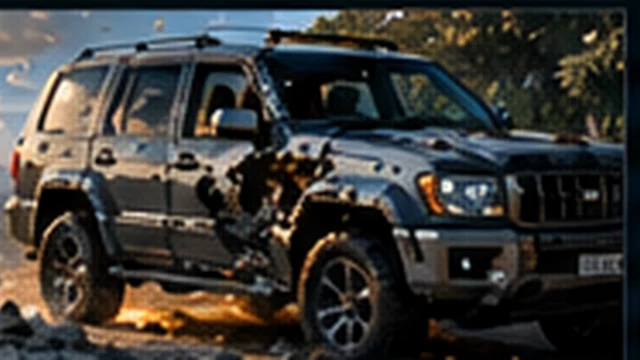
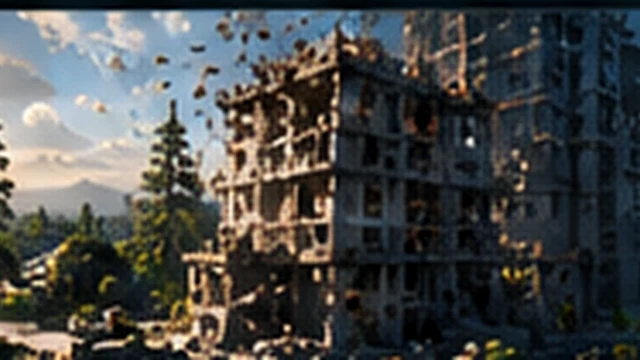
A browser-native world engine built around persistent physical state: structures collapse, vehicles deform, materials react, terrain changes, and damage remains.
ENGINE PROOF
NOT JUST CONCEPT ART ANYMORE.
The new direction is grounded in systems already measured in the engine, not only aspirational screenshots.
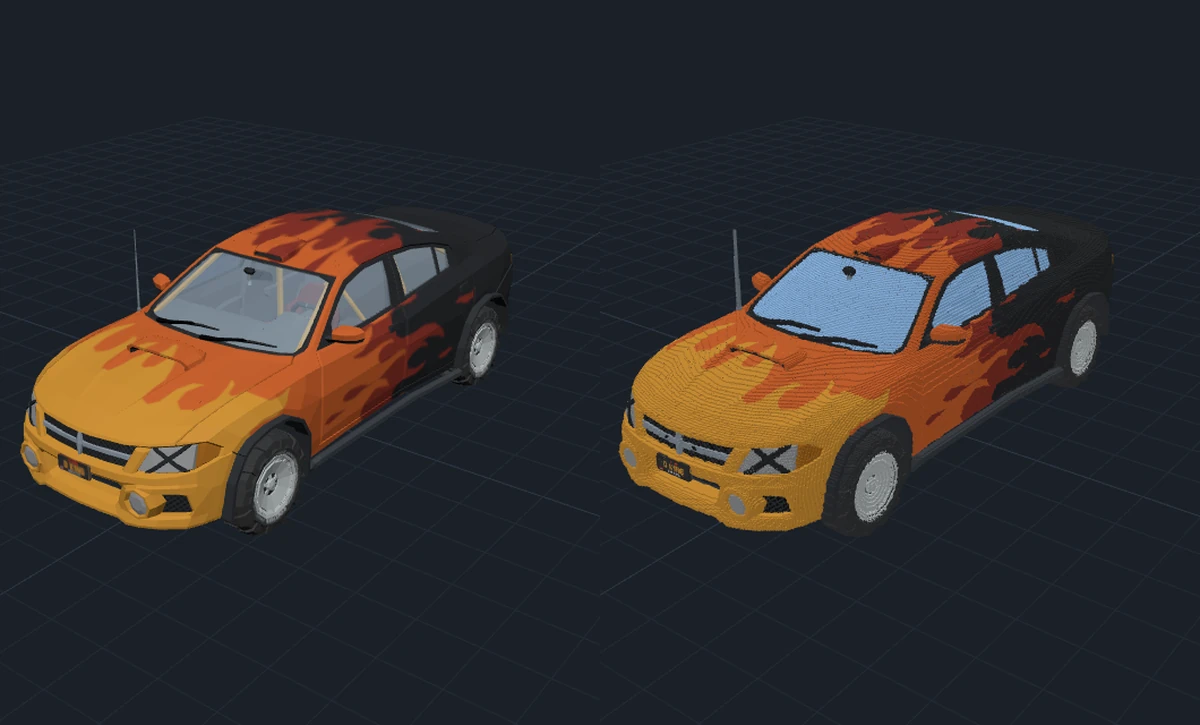
ONE WORLD · MULTIPLE REPRESENTATIONS
The cheapest valid representation wins.
Far objects can be joined cards. Mid-range objects can use depth-aware cards. Close objects use optimized visual meshes. Underneath, the physical core stays authoritative for damage, support, queries and fragments.
- Visible holes map back to physical damage.
- Intact objects share definitions; damaged instances diverge cheaply.
- Fragments remain real physical objects and collide with the world.
- Damage persists and can be replayed deterministically.
OWNER PLAYABLE MILESTONE
THE MODERN DESTRUCTION DISTRICT.
The first playable world should be a compact modern district designed to break every system at once.
EVERYTHING REACTS
A WORLD OF CONNECTED SYSTEMS.
Some of these are already deep in integration. Others are clearly marked as the next world-system layers.
 IN ENGINE
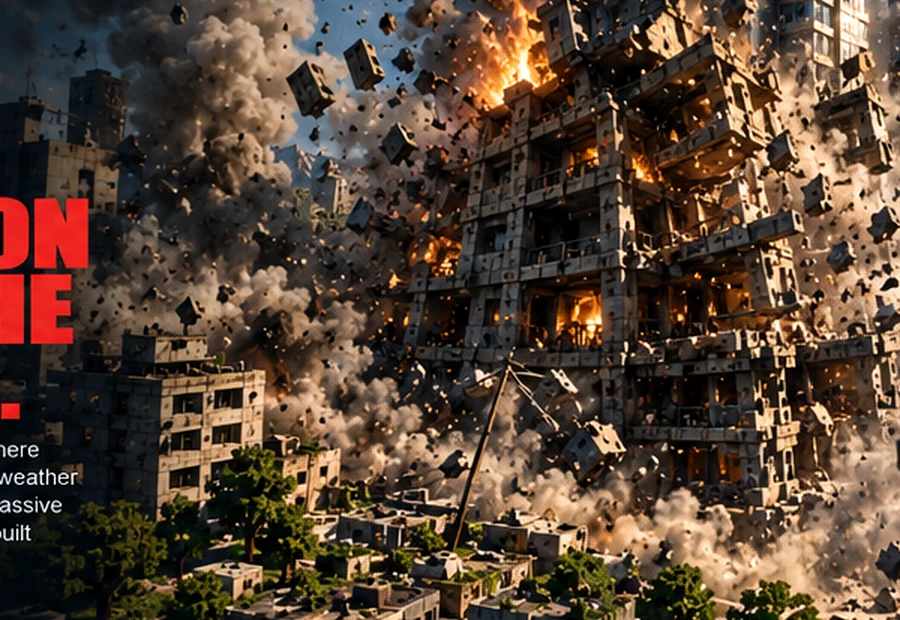
FULLY DESTRUCTIBLE
Local damage, structural support, detachment, persistent fragments and material-aware wounds.
 BUILDING
BUILD ANYTHING
Creator-first construction and reusable world pieces built on the same physical rules.
 IN ENGINE
MASSIVE WORLDS
Regioned authority, large-world coordinates, camera-relative rendering and aggressive batching.
 ROADMAP
FIRE & THERMAL
Heat, burning, melting and structural weakening built on top of the material response system.
 ROADMAP
REAL-TIME FLUIDS
Floods, leaks and moving water that interact with terrain, structures and debris.
 ROADMAP
DYNAMIC WEATHER
Rain, snow, fog and seasons that change the same persistent world rather than a static backdrop.
MATERIAL ≠ PART ≠ STATE
THE SAME HIT SHOULD NOT DO THE SAME THING.
The engine is moving away from universal “remove a sphere” damage toward material and part-specific responses.
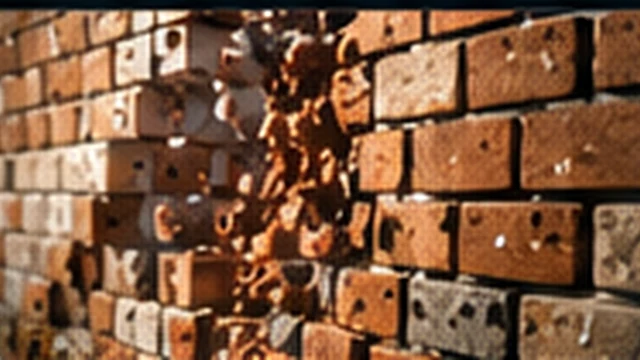
STONE / MASONRY
chips · craters · accumulated surface damage
GLASS
crack · laminate · shatter
VEHICLE PARTS
dents · punctures · pressure · leaks
WOOD / INTERIORS
grain-aware splitting · persistent damage
UNDER THE SKIN
ANIMALS THAT ARE MORE THAN A HEALTH BAR.
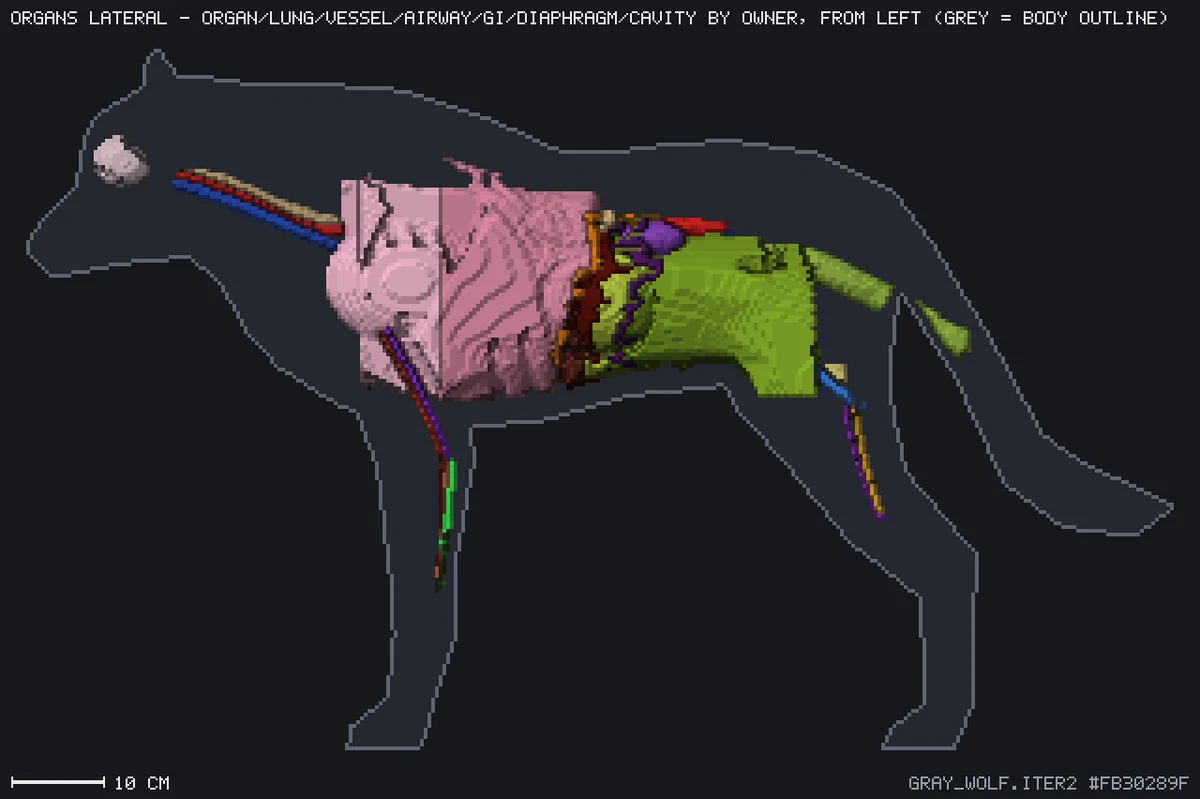
The creature track is being rebuilt around real skeletons, organs, muscle groups, tendons, vessels and functional consequences.
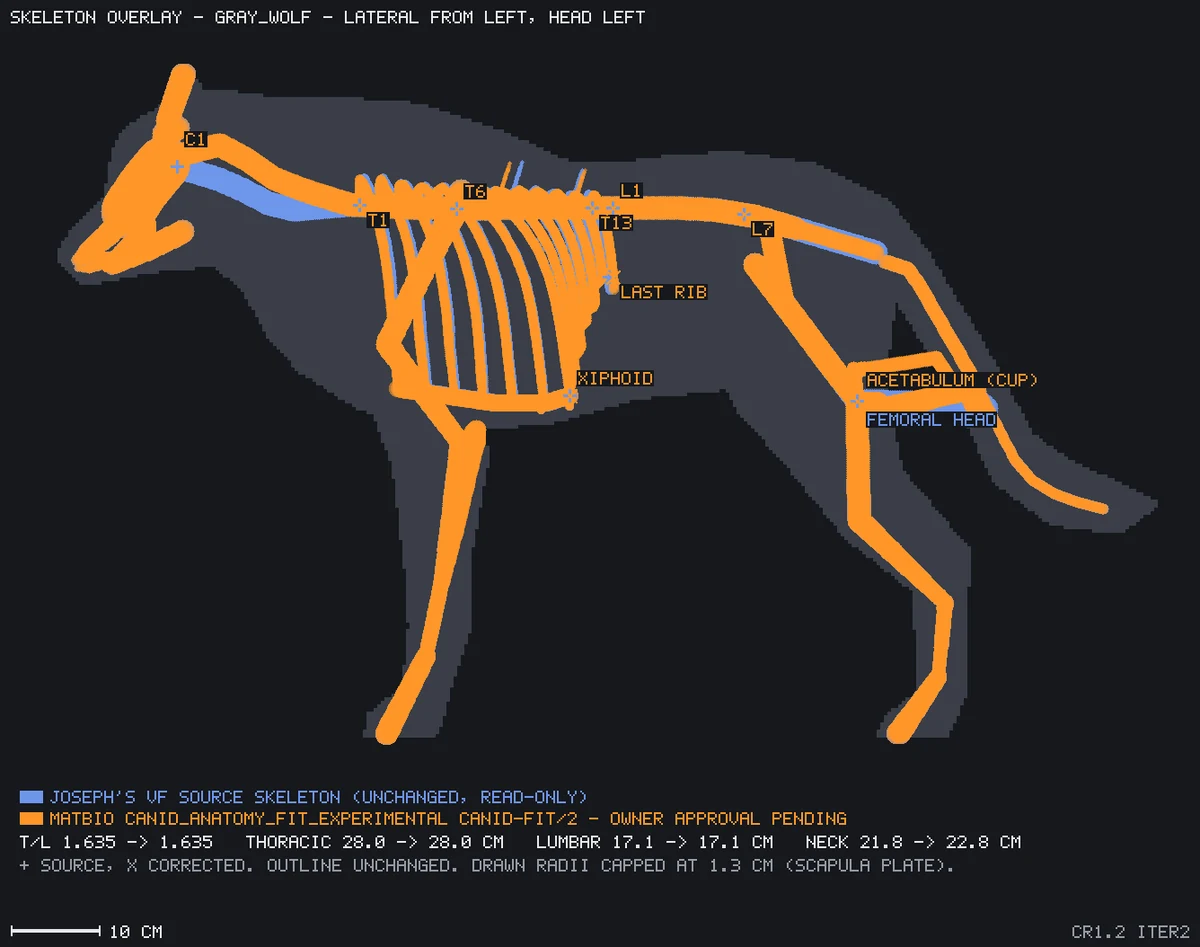
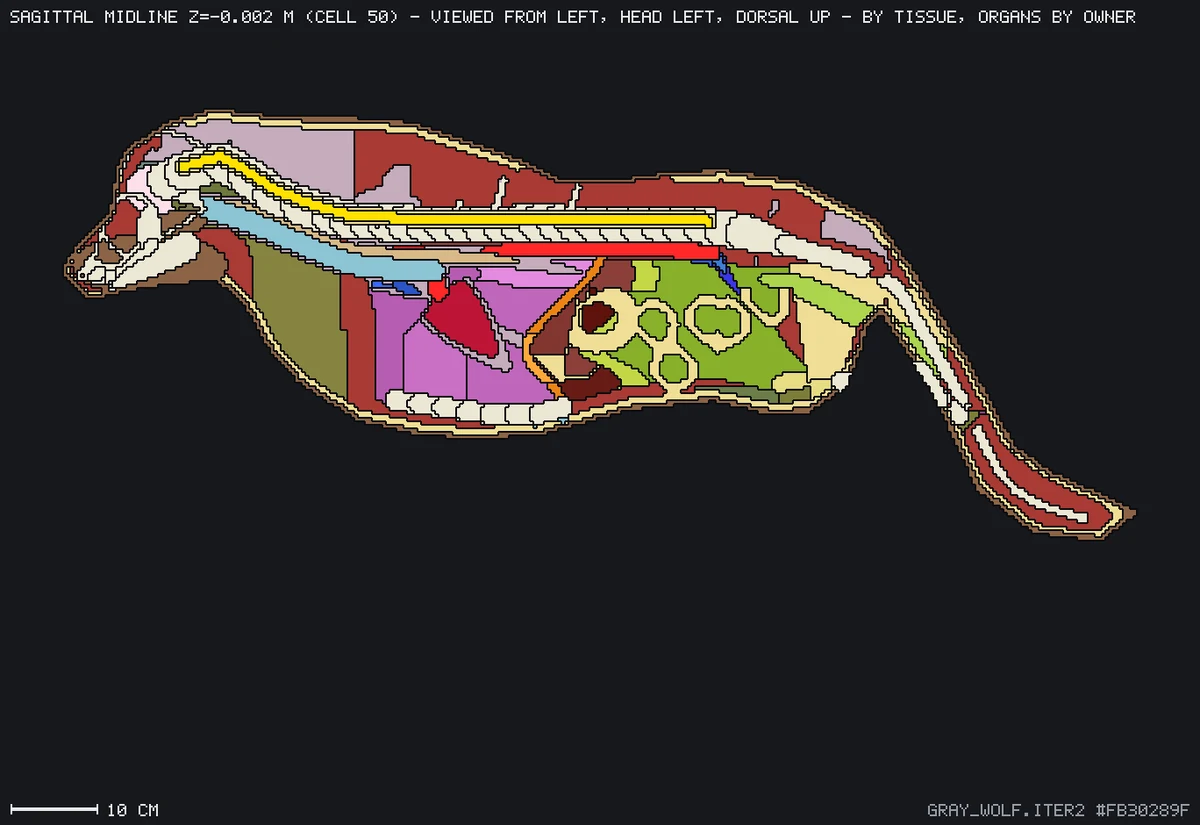
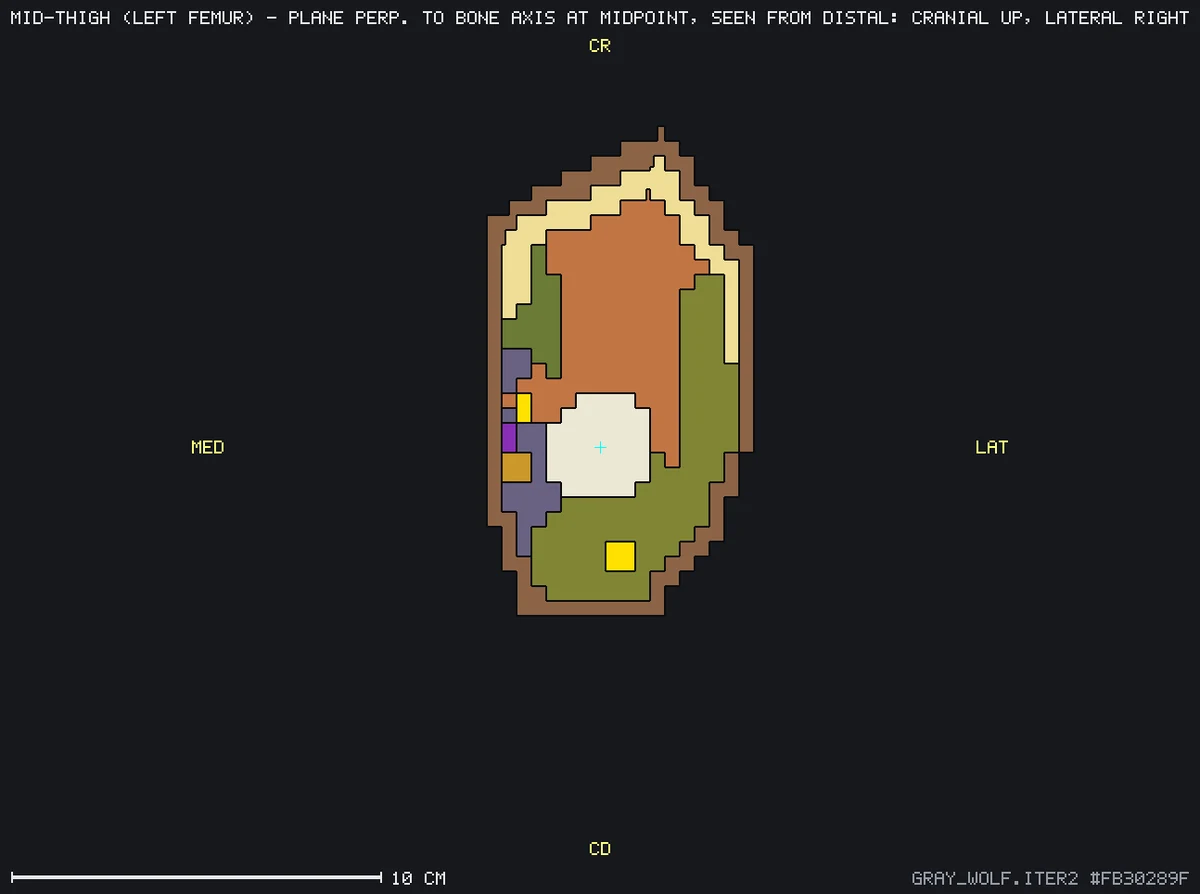
VISUALskinned mesh + animation
ANATOMYshared bind-space tissue authority
HITvisual acceptance → physical anatomy
DAMAGEfunction changes based on what was actually hit
CREATOR-FIRST
BUILD IT. BREAK IT. TEST IT.
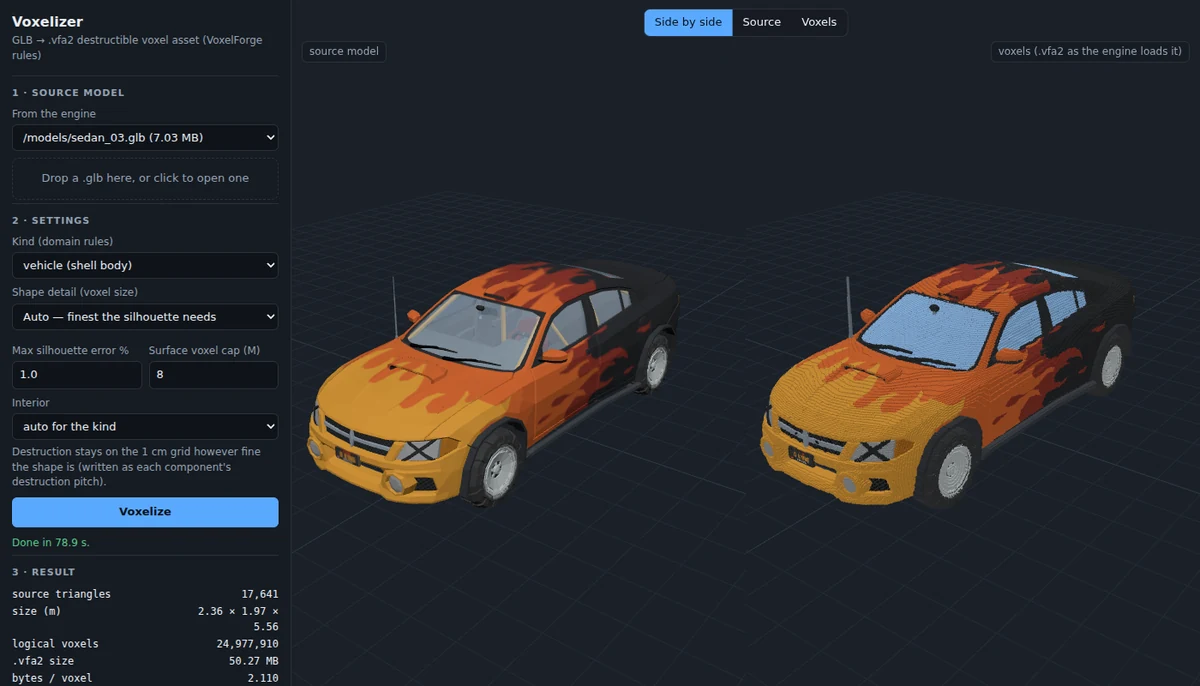
The tooling should expose the same systems the engine uses at runtime: physical assets, automatic proxy baking, destruction settings, materials and world construction.
- GLB → physical asset pipeline
- Automatic atlas/card generation
- Source vs physical preview
- Material / part / state inspection
- One-click stress scenes
STATUS
WHAT EXISTS, WHAT'S NEXT.
Persistent destruction
COW object damage, wound patches, support analysis, fragments and replay.
Card + joined far rendering
Shared atlas cards, depth-aware mid tier, cluster joining and near OVMs.
Material / part response
Tyres, glass, stone, wood and shell response stations are being wired into runtime.
Modern destruction district
Shops, apartments, hotel, garage, offices, warehouse and a first skyscraper stress zone.
Creature animation + anatomy
Canid anatomy correction, animation LOD, posed hit queries and functional damage.
Near streaming + shadow production
Texture residency, static OVM joins, mesh LOD and cached/static shadow work.
Fire / heat
Thermal propagation and material weakening.
Fluids
Leaks, flooding, water interaction and persistent environmental state.
Weather / seasons
Rain, snow, fog and long-lived environmental change.
CONCEPT + ENGINE
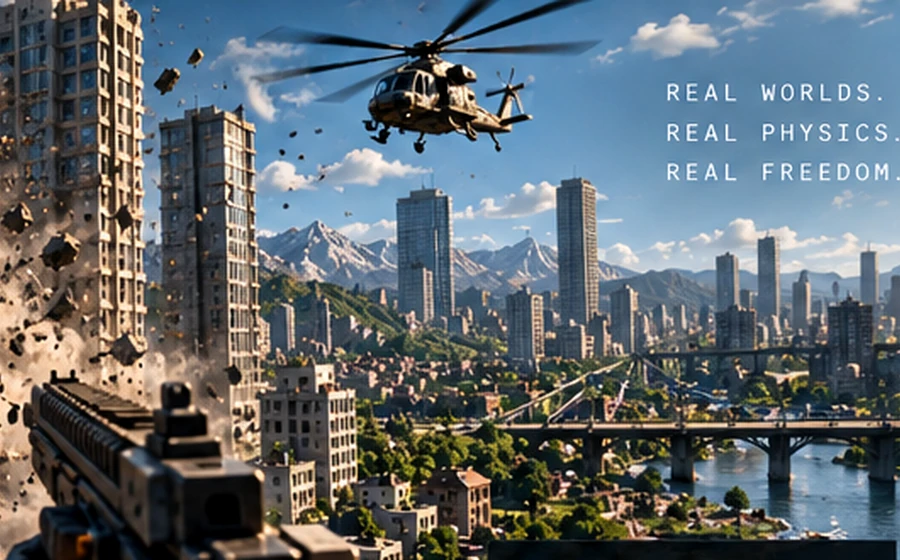
THE WORLD WE'RE BUILDING.
Click any image for a larger view.
SAME WORLD. DIFFERENT TOMORROW.
MAKE A MARK THAT STAYS.
Build, destroy, leave, return — the goal is a world that remembers what happened.
BACK TO TOP